
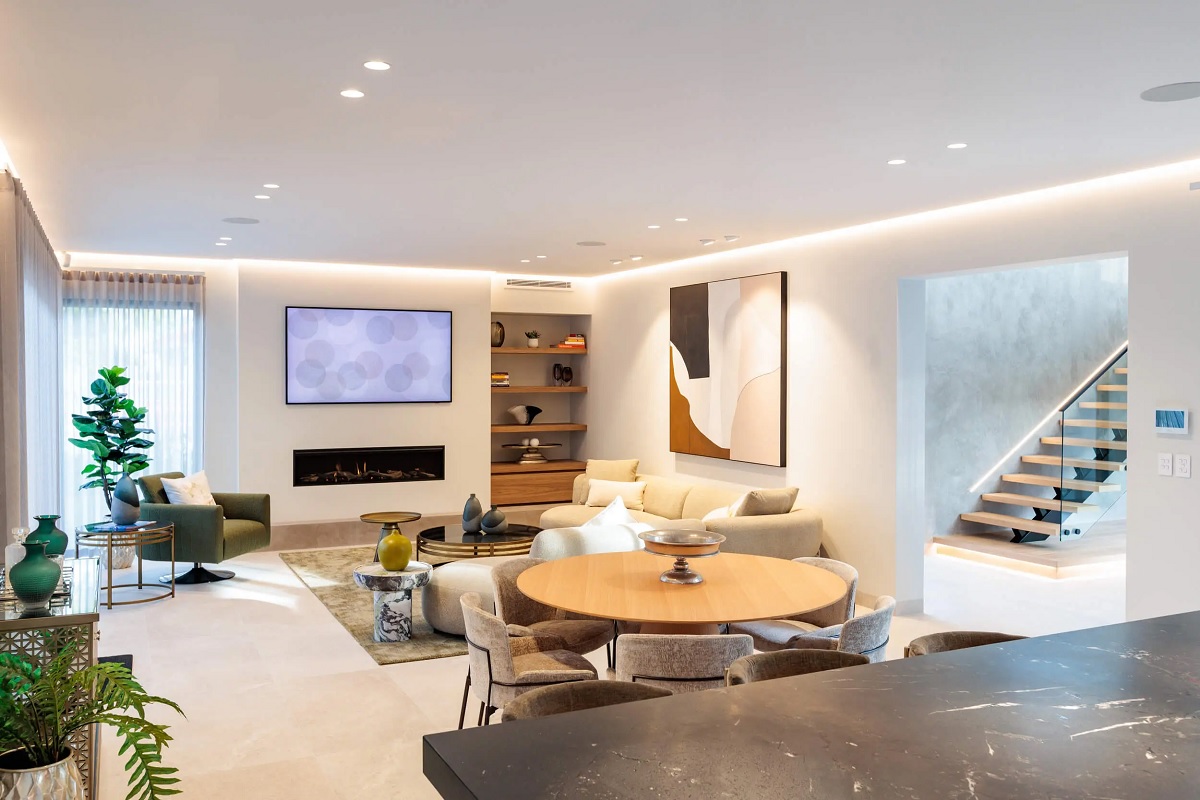

For anyone starting the journey towards building a new home, it’s tempting to jump straight into floor plans, land searches and finance pre-approval. But before any of that, one of the most valuable things a prospective builder can do is simply walk through a few display homes in person. Photos on a website, no matter how well shot, can’t replicate the sense of scale, light and flow that comes from standing inside a completed space — and that’s exactly why display homes perth wide remain such a popular starting point for so many buyers.
If you haven’t yet added display home visits to your research list, here’s why they deserve a spot near the very top.
Photos Can’t Tell You How a Space Actually Feels
Floor plans on paper are notoriously difficult to interpret for anyone who isn’t trained in reading them. A living area listed as “6m x 5m” means little until you’ve actually stood in a room of that size and gauged how it feels with furniture, natural light and ceiling height factored in. Display homes solve this problem instantly. Walking through a kitchen, living and dining zone gives you an immediate, visceral sense of whether that layout would genuinely suit how your household lives day to day.
This is particularly important for open-plan living areas, where the relationship between kitchen, dining and lounge zones can make or break how a home functions. A layout that looks generous on paper might feel cramped once furnished, or conversely, a modest-looking plan might flow beautifully in person. There’s simply no substitute for physically experiencing the space.
Seeing Finishes and Materials in Real Light
Colour swatches and material samples viewed under showroom lighting rarely translate accurately to how they’ll actually look in a finished home. Natural light changes throughout the day, and different rooms catch light differently depending on orientation and window placement. Display homes let you see flooring, benchtops, cabinetry and paint finishes under genuine daylight conditions, which is far more useful than a small sample held under fluorescent lighting in a design studio.
Pay particular attention to how materials perform in different rooms of the display home — a benchtop that looks striking under a pendant light in the kitchen might read quite differently in a laundry with a small, high window. Take note of these details as you move through the home, and don’t be afraid to ask staff on-site about alternative finish options if something doesn’t quite match what you had in mind.
Understanding What’s Standard Versus Upgraded
This is one of the most important — and most commonly overlooked — reasons to visit in person rather than relying purely on marketing material. Display homes are typically built to showcase a builder’s design capability and often include upgrades well beyond the standard inclusions listed in a base contract. Stone benchtops, feature lighting, premium tapware and upgraded flooring are common inclusions in a display that may carry a significant additional cost in a standard build.
Don’t assume that what you’re walking through reflects your final quote. Instead, ask direct questions on-site:
- Which specific items in this home are standard inclusions versus optional upgrades?
- What would the equivalent build cost look like without the upgrades shown?
- Are there display-specific features that aren’t available at all in a standard contract?
A transparent sales consultant will walk you through this openly. If you’re getting vague answers or a reluctance to separate standard from upgraded features, that’s a useful signal about how transparent pricing conversations might be later in the process.
Comparing Multiple Display Homes Side by Side
Rather than visiting a single display and making a decision, it’s worth touring several display homes across the Perth area within the same general price bracket. This gives you a genuine point of comparison — not just on aesthetics, but on layout efficiency, quality of finish, and how well each design solves for natural light, storage and outdoor connection.
Take notes as you go, or photograph specific features you like or dislike in each home. It’s easy for details to blur together after visiting several properties in a single day, and having a record to refer back to makes the eventual decision-making process considerably easier.
Talking to Sales Staff Without Feeling Pressured
Display home consultants are there to help, but it’s reasonable to walk through at your own pace and ask questions on your own terms rather than feeling steered toward a decision. Good consultants will let you explore freely and answer questions as they come up, rather than pushing a sales pitch from the moment you walk in.
Use the opportunity to ask about typical build timelines for a similar design, how design changes are handled during the customisation process, and what land estate or standalone block options might suit the specific plan you’re interested in. These practical questions often reveal more about how a builder operates than the finishes on display ever could.
Bringing the Family Along
If you’re building with a partner or family, bring everyone along on display home visits where possible. Different people notice different things — one person might focus on kitchen workflow while another pays closer attention to bedroom sizes or outdoor living space. Discussing reactions together, in the moment, while standing in the actual space, tends to surface priorities and disagreements far more effectively than discussing floor plans at the kitchen table afterwards.
Making the Most of Your Visits
To get real value from display home visits, go in with a rough idea of your priorities — number of bedrooms, must-have living zones, indoor-outdoor flow — but stay open to being surprised by layouts you hadn’t considered. Some of the best design decisions come from seeing an unexpected feature executed well in person, something no amount of online research would have surfaced on its own.
Set aside a full day if you can, and pace your visits so you’re not rushing through the final one or two homes when decision fatigue sets in. A slower, more deliberate approach to touring display homes will pay off considerably once you move into the design and contract stage of your own build.
Ultimately, display homes exist to give prospective buyers a genuine feel for a builder’s design philosophy and quality of execution before any money changes hands. Making the time to visit properly, ask the right questions, and compare multiple options is one of the simplest and most valuable steps you can take early in your building journey.

Comments are closed.