
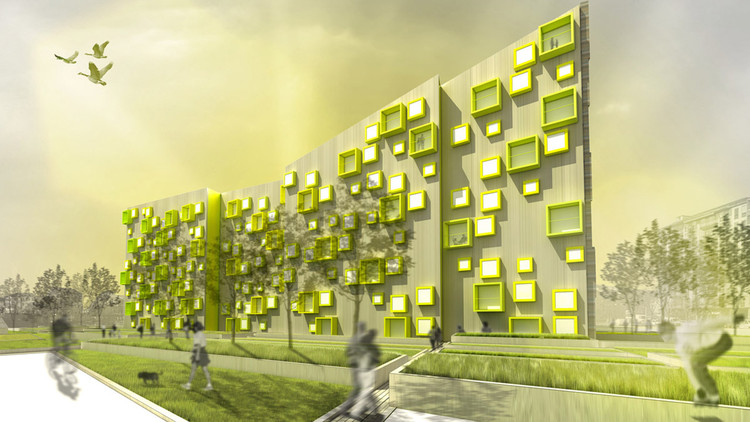

Sustainable property development focuses on creating buildings that balance environmental responsibility, economic viability, and long-term livability. As regulations tighten and buyers become more eco-conscious, sustainability is no longer optional—it’s becoming a core standard in modern real estate development.
What Is Sustainable Property Development?
Sustainable property development integrates environmentally responsible practices throughout the entire building lifecycle.
This includes:
- Responsible site selection and land use
- Energy-efficient building design
- Sustainable construction materials
- Long-term operational efficiency
The goal is to reduce environmental impact while creating durable, healthy spaces for occupants.
Why Sustainability Matters in Real Estate
Sustainability influences both short-term performance and long-term value.
Key benefits include:
- Lower energy and water consumption
- Reduced operating and maintenance costs
- Improved occupant health and comfort
- Increased appeal to modern buyers and tenants
Sustainable developments often perform better financially over time due to efficiency and durability.
Core Principles of Sustainable Development
Sustainable projects rely on several foundational principles that guide design and execution.
Energy Efficiency
Energy-efficient buildings minimize consumption without sacrificing comfort.
Common strategies:
- High-performance insulation
- Energy-efficient windows
- Solar-ready or renewable energy systems
- Smart building controls
Water Conservation
Efficient water management reduces waste and operating costs.
Typical solutions include:
- Low-flow fixtures
- Rainwater harvesting systems
- Drought-resistant landscaping
- Efficient irrigation systems

Sustainable Materials
Material choices play a significant role in environmental impact.
Preferred materials often feature:
- Recycled or reclaimed content
- Low-emission finishes
- Locally sourced materials
- Long life cycles and durability
Smart Site Planning
Thoughtful site design minimizes disruption to natural surroundings.
Key considerations include:
- Preserving existing vegetation
- Optimizing natural light and ventilation
- Reducing soil disturbance
- Improving walkability and access to public transport
Economic Benefits for Developers and Investors
Sustainability isn’t just environmentally responsible—it’s financially smart.
Economic advantages include:
- Lower long-term operating expenses
- Higher tenant retention rates
- Increased property value and marketability
- Eligibility for incentives or tax benefits in some regions
Energy-efficient buildings often command stronger demand in competitive markets.
Challenges in Sustainable Property Development
Despite the benefits, sustainable development presents challenges.
Common obstacles include:
- Higher upfront construction costs
- Limited availability of sustainable materials in some areas
- Complex regulatory requirements
- Need for specialized expertise
However, many of these challenges are offset by long-term savings and performance gains.
The Role of Technology in Sustainability
Technology plays a growing role in sustainable development.
Innovations include:
- Building management systems for energy monitoring
- Smart lighting and climate control
- Data-driven maintenance and efficiency tracking
- Advanced construction methods that reduce waste
Technology helps optimize building performance throughout its lifespan.
Long-Term Impact on Property Value
Sustainable properties are better positioned for the future.
They tend to:
- Age more gracefully due to durable materials
- Adapt more easily to regulatory changes
- Appeal to environmentally conscious buyers and tenants
- Maintain stronger resale value over time
Sustainability helps future-proof real estate assets.
Final Thoughts
Sustainable property development is not a trend—it’s a long-term shift in how buildings are designed, built, and operated. By prioritizing efficiency, responsible resource use, and occupant well-being, sustainable developments deliver value that extends beyond the bottom line. As expectations evolve, sustainability is becoming a defining feature of successful real estate projects.
Frequently Asked Questions (FAQs)
Is sustainable property development more expensive?
Upfront costs may be higher, but long-term savings from efficiency and durability often outweigh the initial investment.
Do sustainable buildings attract higher rents?
In many markets, yes. Tenants often pay a premium for lower utility costs and healthier living environments.
Can older buildings be retrofitted for sustainability?
Yes. Many existing properties can be upgraded with energy-efficient systems and sustainable materials.
How does sustainability affect property resale value?
Sustainable features often improve marketability and help properties retain value over time.
Are sustainable buildings harder to maintain?
Not necessarily. Many sustainable systems reduce maintenance needs through efficiency and durability.
Does sustainable development require special certifications?
Certifications are optional but can enhance credibility and market appeal.
Will sustainability regulations become stricter in the future?
Most signs indicate increasing regulations, making sustainable development a proactive strategy rather than a reactive one.
Comments are closed.