
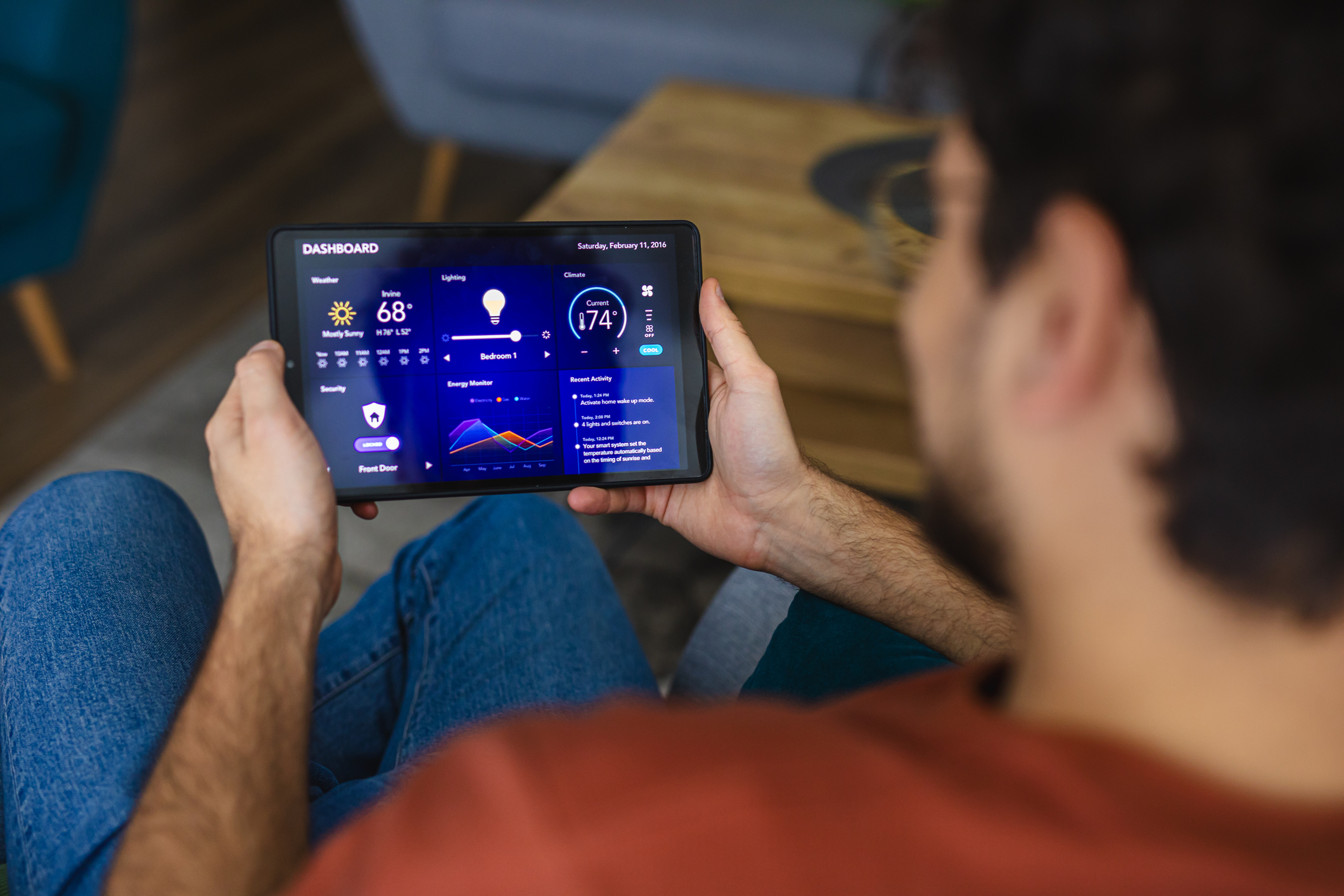

Smart home technology has moved from novelty to expectation. Features like intelligent climate control, automated lighting, and advanced security systems are increasingly shaping how buyers evaluate properties. As adoption grows, smart homes are influencing property value in measurable and lasting ways, changing what buyers are willing to pay and how fast homes sell.
What Defines a Smart Home Today?
A smart home integrates technology that allows homeowners to control systems remotely or automatically.
Common smart features include:
- Smart thermostats and climate control
- App-controlled lighting and blinds
- Integrated security systems and video doorbells
- Smart locks and access controls
- Energy monitoring systems
The most valuable systems are those that are intuitive, reliable, and easy to maintain.
Why Buyers Value Smart Home Features
Modern buyers prioritize convenience, efficiency, and security. Smart homes directly support these needs.
Key buyer motivations include:
- Improved energy efficiency
- Enhanced safety and monitoring
- Remote control and automation
- Lower long-term operating costs
For many buyers, smart technology signals that a home is modern and well-maintained.
Impact on Property Value and Resale Potential
Smart features can positively affect property value when implemented correctly.
Value-related benefits include:
- Increased buyer interest and faster sales
- Stronger perceived value compared to similar homes
- Competitive differentiation in crowded markets
- Potential for higher listing prices in tech-forward areas
While smart technology alone doesn’t guarantee higher prices, it often improves marketability.
Energy Efficiency as a Value Driver
Energy-conscious buyers increasingly favor homes with measurable efficiency benefits.
Smart energy features contribute by:
- Optimizing heating and cooling usage
- Reducing utility bills through automation
- Providing usage data to adjust behavior
- Supporting sustainability goals
Lower operating costs enhance long-term affordability, which buyers factor into value.
Security Technology and Buyer Confidence
Security is one of the most influential smart home categories.
High-value security features include:
- Smart doorbells with video recording
- Remote-access locks
- Motion sensors and smart alarms
- Integrated monitoring systems
Homes with visible, modern security systems often feel safer, increasing buyer confidence and appeal.
When Smart Features Don’t Add Value
Not all smart upgrades deliver returns.
Features that may limit value include:
- Overly complex systems with steep learning curves
- Proprietary platforms that are expensive to replace
- Outdated or unsupported technology
- Inconsistent system integration
Smart technology should simplify living, not complicate it.
Cost vs. Return on Smart Home Investments
Smart upgrades generally offer moderate but reliable returns, especially when paired with broader home improvements.
Best return-on-investment upgrades:
- Smart thermostats
- Video doorbells
- Smart locks
- Energy monitoring systems
High-end automation systems may appeal to niche buyers but don’t always increase resale value proportionally.
Regional and Market Differences
The impact of smart homes on value varies by location.
Stronger value impact is seen in:
- Urban and suburban tech-forward markets
- Higher-income buyer segments
- Newer developments and renovated homes
In slower or rural markets, smart features still help but may influence speed of sale more than price.
Future Outlook for Smart Homes
Smart technology adoption continues to grow, making these features less of a luxury and more of a baseline expectation.
Future trends include:
- Greater system interoperability
- Increased focus on energy management
- Voice and AI-driven automation
- Smart infrastructure integrated during construction
Homes without smart features may eventually feel outdated by comparison.
Final Thoughts
Smart homes are reshaping how buyers define value. While technology alone won’t transform a poorly maintained property, thoughtfully chosen smart features enhance appeal, efficiency, and buyer confidence. As expectations evolve, smart homes are increasingly positioned not as upgrades, but as standards that protect and support long-term property value.
Frequently Asked Questions (FAQs)
Do smart homes always sell for more money?
Not always, but they often sell faster and attract more interest, which can support stronger offers.
Which smart features add the most value?
Energy-efficient systems, smart thermostats, security features, and smart locks typically deliver the best returns.
Can outdated smart technology hurt resale value?
Yes. Obsolete or unsupported systems can feel like liabilities rather than benefits.
Are smart homes more expensive to maintain?
Most modern systems are low-maintenance, though some require software updates or subscriptions.
Should I install smart features before selling my home?
Targeted upgrades can help, but focus on simple, widely adopted technologies rather than complex systems.
Do buyers worry about privacy with smart homes?
Some do. Clear documentation and the ability to reset systems help reduce concerns.
Will smart homes become standard in the future?
Yes. As technology adoption increases, smart features are expected to become baseline expectations rather than premium upgrades.
Comments are closed.