

Selling a house is one of the largest financial transactions most people ever make. Small missteps can quietly reduce your final sale price, delay closing, or weaken your negotiating position. Understanding the most common selling mistakes helps you protect your equity and walk away with a stronger result.
Overpricing the Property From the Start
Setting an unrealistic price is one of the fastest ways to lose money.
Why overpricing hurts:
- Fewer showings and lower buyer interest
- Longer time on the market
- Price reductions that signal desperation
- Buyers assuming something is wrong with the home
Homes priced correctly from day one tend to sell faster and closer to asking price.
Skipping Necessary Repairs and Maintenance
Minor issues can raise major red flags for buyers.
Common oversights include:
- Leaky faucets or visible water damage
- Cracked tiles or peeling paint
- Broken fixtures or outdated hardware
- Unserviced HVAC systems
Buyers often overestimate repair costs and adjust their offers accordingly.
Neglecting Home Staging and Presentation
A poorly presented home feels smaller, darker, and less valuable.
Presentation mistakes include:
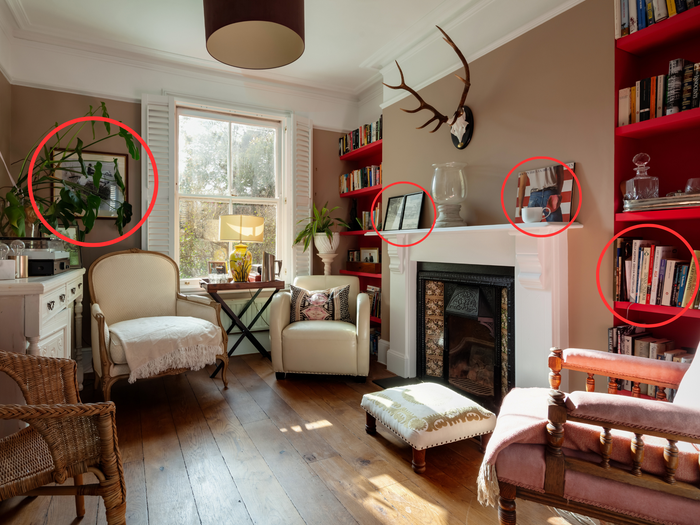
- Cluttered rooms and personal items
- Poor lighting and closed curtains
- Outdated décor or heavy furniture
- Ignoring curb appeal
Staging helps buyers focus on potential instead of imperfections.
Using Low-Quality Listing Photos
Most buyers form first impressions online. Weak photos can eliminate interest before a showing is booked.
Common photo mistakes:
- Dark or poorly lit images
- Vertical or distorted angles
- Clutter visible in every room
- Skipping key spaces entirely
Professional-quality photos are one of the highest-return investments in a sale.
Limiting Showing Availability
Restrictive showing schedules cost you buyers.
Examples include:
- Requiring excessive notice
- Refusing weekend or evening showings
- Canceling last-minute appointments
The easier your home is to show, the more competition you create among buyers.
Letting Emotions Drive Decisions
Emotional attachment can interfere with smart selling choices.
This often leads to:
- Rejecting fair offers
- Taking negotiations personally
- Overreacting to inspection requests
- Holding out too long for unrealistic prices
Successful sellers treat the transaction as a business decision.
Ignoring Market Timing and Trends
Market conditions directly affect pricing and demand.
Mistakes related to timing include:
- Listing during slow seasons without adjusting price
- Ignoring interest rate impacts
- Failing to account for local inventory levels
Understanding market context helps set realistic expectations.
Accepting the First Offer Without Analysis
The first offer isn’t always the best offer.
Before accepting, consider:
- Buyer financing strength
- Contingencies and closing timeline
- Potential for competing offers
- Net proceeds, not just headline price
A careful review can uncover better long-term outcomes.
Underestimating Closing Costs and Fees
Many sellers focus only on the sale price and overlook deductions.
Typical costs include:
- Agent commissions
- Transfer taxes
- Title and escrow fees
- Repair credits or concessions
Failing to plan for these reduces net profit unexpectedly.
Final Thoughts
Most house selling mistakes don’t come from lack of effort—they come from lack of strategy. By pricing accurately, presenting your home well, staying flexible, and making data-driven decisions, you protect your equity and maximize returns. Avoiding these common pitfalls can easily translate into thousands saved.
Frequently Asked Questions (FAQs)
How much can overpricing a home really cost?
Overpricing often leads to longer market time and price reductions, which can result in a lower final sale than proper initial pricing.
Is it better to sell a house as-is?
Selling as-is may save upfront repair costs, but it often leads to lower offers and fewer interested buyers.
Do small cosmetic upgrades actually pay off?
Yes. Simple updates like paint, lighting, and hardware often deliver strong returns by improving buyer perception.
Should I accept an offer below asking price?
It depends on market conditions, buyer strength, and how long the home has been listed.
How important is timing when selling a house?
Timing affects demand and pricing power. Selling during high-demand periods often results in stronger offers.
Can poor photos really reduce offers?
Yes. Poor visuals reduce showings, which lowers competition and negotiating leverage.
What’s the biggest mistake sellers make overall?
Failing to view the sale objectively and strategically, which leads to emotional and financial missteps.
Comments are closed.