
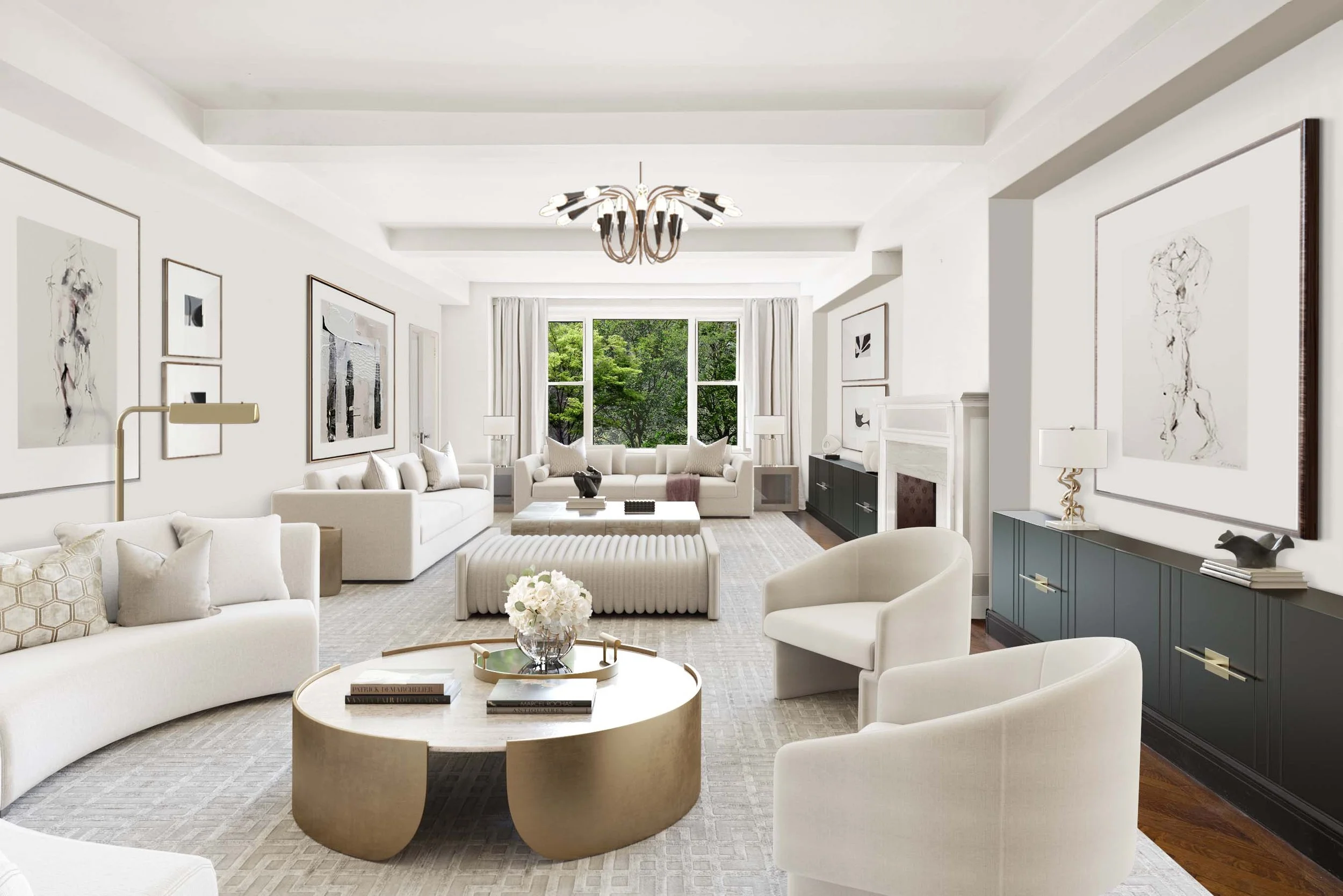

Home staging is one of the most effective ways to attract buyers and shorten time on the market. A well-staged house helps buyers visualize themselves living in the space, which often leads to faster offers and better prices. The goal isn’t to decorate—it’s to highlight the home’s strengths and minimize distractions.
Start With a Clean and Neutral Foundation
Before styling begins, the house must feel fresh and move-in ready.
Focus on:
- Deep cleaning every room, including windows and baseboards
- Removing personal items like family photos and collectibles
- Neutralizing bold wall colors with light, modern tones
- Eliminating clutter from countertops, shelves, and floors
Clean, neutral spaces photograph better and appeal to a wider audience.
Improve Curb Appeal First
Buyers form opinions within seconds of arriving. Strong curb appeal sets the tone for the entire showing.
Simple upgrades include:
- Fresh landscaping and trimmed hedges
- Power-washing walkways and siding
- A freshly painted front door
- Updated house numbers and lighting fixtures
The exterior should feel welcoming and well cared for.
Rearrange Furniture to Maximize Space
Furniture placement directly affects how spacious a home feels.
Staging tips:
- Remove oversized or excess furniture
- Create clear walking paths
- Float furniture away from walls when possible
- Define areas in open floor plans with rugs
Rooms should feel open, functional, and easy to navigate.
Use Lighting to Enhance the Atmosphere
Lighting influences mood and perceived space more than most sellers realize.
Make the most of light by:
- Opening curtains and blinds fully
- Replacing dim bulbs with bright, warm lighting
- Adding floor or table lamps to dark corners
- Ensuring all fixtures are clean and working
Bright homes feel larger, cleaner, and more inviting.
Highlight Key Rooms Buyers Care About Most
Not all rooms carry equal weight. Focus your effort where it matters most.
Priority rooms include:
- Living room: Comfortable, conversational layout
- Kitchen: Clear counters, minimal décor, spotless surfaces
- Primary bedroom: Calm, hotel-like appearance
- Bathrooms: Fresh towels, minimal items, neutral colors
These spaces often determine whether buyers make an offer.
Add Subtle, Modern Finishing Touches
Small details help buyers emotionally connect with the space.
Effective staging accents include:
- Fresh flowers or greenery
- Neutral throw pillows and blankets
- Simple artwork or mirrors
- Light scents, avoiding strong fragrances
Less is more. The home should feel styled, not decorated.
Remove Signs of Wear and Deferred Maintenance
Minor issues can signal neglect and reduce buyer confidence.
Address:
- Scuffed walls and chipped paint
- Loose handles or fixtures
- Leaky faucets
- Squeaky doors or cabinets
Quick fixes can prevent buyers from overestimating repair costs.
Stage for Photos, Not Just Showings
Most buyers first encounter your home online. Staging should prioritize photography.
Key considerations:
- Avoid busy patterns that distract on camera
- Keep rooms evenly lit
- Style spaces to show scale and flow
- Remove items that visually shrink rooms
Professional photos paired with good staging dramatically increase interest.
Final Thoughts
Staging isn’t about perfection—it’s about presentation. By creating a clean, bright, and neutral environment, you help buyers imagine a future in your home. When done well, staging reduces time on the market and often leads to stronger offers, making it one of the smartest pre-sale investments a seller can make.
Frequently Asked Questions (FAQs)
Is home staging necessary in a seller’s market?
While homes may sell quickly, staging can still increase buyer interest and lead to higher offers.
Can I stage my house myself or should I hire a professional?
Many sellers stage successfully on their own, but professionals can help with layout, furniture selection, and buyer psychology.
How much should I spend on staging?
Costs vary, but even small investments in cleaning, paint, and décor can deliver strong returns.
Should I stage my home if it’s vacant?
Yes. Vacant homes often feel cold and smaller. Staging helps buyers understand scale and function.
Does staging help with online listings?
Absolutely. Staged homes photograph better and receive more online views and showings.
What should I remove before staging?
Personal items, excess furniture, bold décor, and anything that distracts from the home itself.
Can staging hide flaws in a house?
Staging doesn’t hide major issues, but it can minimize visual distractions and shift focus to positive features.

Comments are closed.